

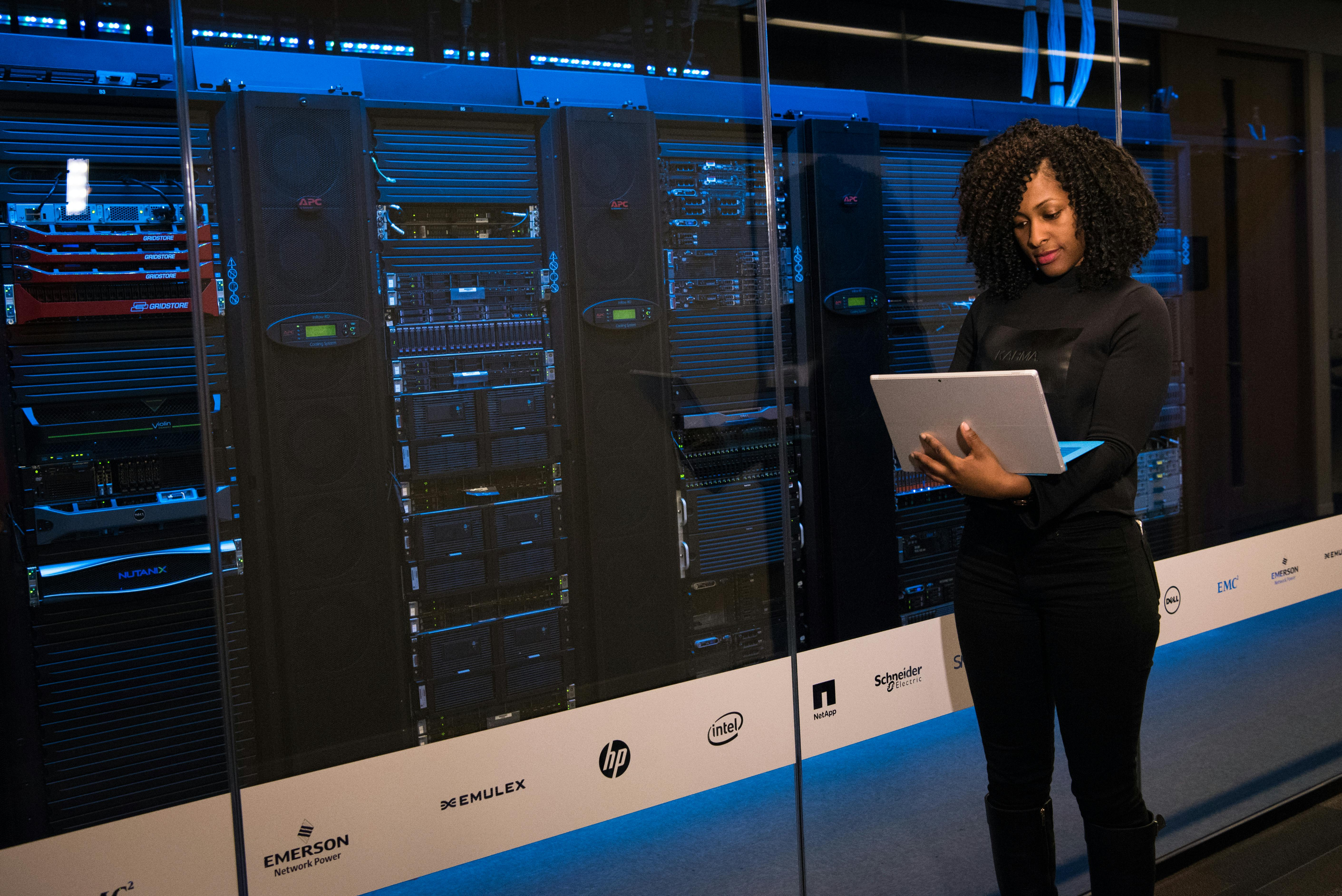


Getting started with an agentic harness to troubleshoot your infrastructure is much simpler than you think. You don't need "Skills," and you don't need "MCP servers exposing everything as a tool." You can just start with any agentic runtime and add capabilities as they are needed. You also don't need to automate everything; in fact, “how to bring down your infrastructure with fully autonomous agents” is the opposite of what this talk is about. We want to show you how to leverage AI to decrease MTTR (mean time to resolution) and how to proactively monitor your infrastructure. That said, fully autonomous operations will be treated as a special case, and we will explain how you can begin identifying those use cases.

Traditional storage TCO models focus on hardware, capacity, and power costs. For today's AI, analytics, and data-intensive workloads, performance can have just as much impact on overall cost.
Join us as we introduce a new performance-based approach to storage TCO. Learn how factors such as workload completion time, CPU utilization, energy consumption, and effective capacity influence the true cost of storage. The session will include a demonstration of SNIA's new TCO tool and show how it can help organizations make more informed storage decisions.

Spin-Transfer Torque MRAM (STT-MRAM) is an emerging memory technology that offers a unique combination of non-volatility, high endurance, and compatibility with standard CMOS processing. This webinar provides an accessible overview of STT-MRAM, including its operating principles and key advantages. We will discuss the current application landscape and highlight examples of commercially available products. The session will also cover anticipated near-term advancements in the technology and the directions they enable. Particular emphasis will be placed on the robustness of STT-MRAM, including its strong data retention at elevated temperatures and significantly higher immunity to magnetic fields compared to hard disk drives. Finally, we will briefly touch on ongoing research and future opportunities for further innovation.