

Energy Benchmarking for AI Storage


San Tomas + Lawrence
Tue Sep 29 | 5:00pm
Abstract
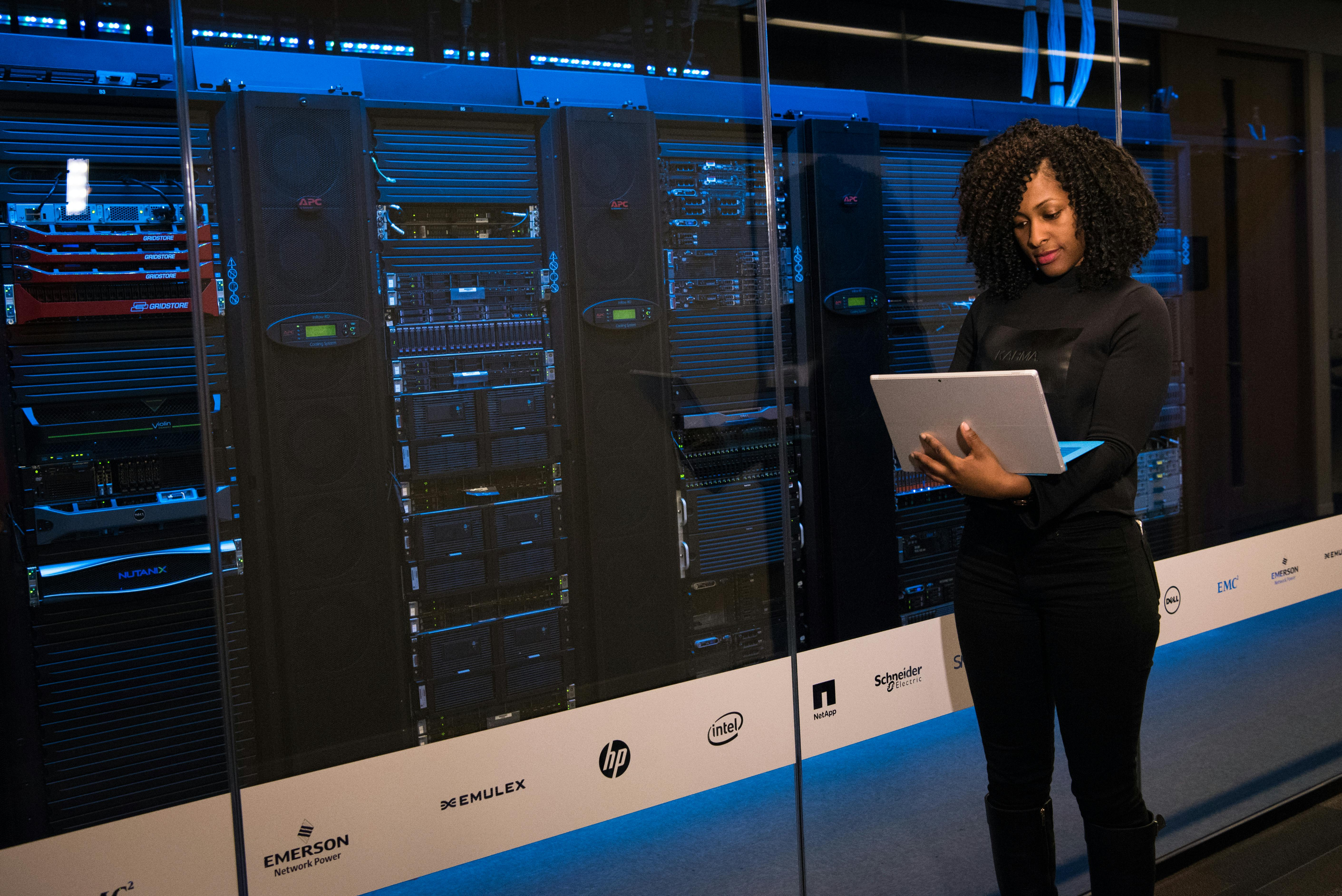
Energy availability, consumption, and associated externalities are a primary limiting factor for datacentre construction and operation. To improve visibility into the energy characteristics of AI - Training, inference and storage workloads, the MLCommons Storage Workgroup has developed a benchmarking methodology and an open source data analysis toolchain built on top of DMTF RedFish that characterizes different workloads tested in the MLPerf benchmarks. Benchmark results provide critical real-world insight to improve data centre power infrastructure design efficiency, reduce utility demand charges, and enable "what-if" planning when adopting new accelerators, storage and models.
This presentation will provide an overview of the MLCommons Power benchmarks, and will demonstrate how correlated load/power benchmarking can reveal important relationships between infrastructure utilization, energy efficiency, environmental impacts and data centre capex costs.

Related Sessions
Advancing the AI Factory Sustainability
ChatGPT began AI's watershed moment that triggered IT infrastructure's tectonic shift and race in extraordinary and lasting commitments to AI Factory. Many governments and enterprises alike are making enormous capital and people investments to not be left behind the AI boom. Corporate boardrooms are evaluating purposeful infrastructure plans. What is the best architectural decision - retrofitting, built from scratch or adopt a wait-and-see? This fork in the road has given pause and decision paralysis to some infrastructure decision makers. Our talk examines the AI Factory Spectrum to identify solutions that advance the infrastructure challenge sustainably.

SNIA Emerald Update for V1.0 Device and V5.0 System Specifications
Learn about the new SNIA Emerald V1.0 Device Power Measurement Test Specification, the tools and methods to measure an enterprise data storage device. A useful new metric for system supply chain and hypervisor vendors to evaluate devices with enterprise data enter workloads. In the near future, some regulatory bodies may cross-reference in their regional energy conservation programs. Learn about the changes as part of SNIA Emerald V5.0 System Power Measurement Test Specification, the tools and methods to measure an enterprise data storage system. A cross-referenced specification by the USA EPA Energy Star program and the EU Lot 9 Commission for vendors to test, report and submit enterprise data center workloads metrics as part of procurement requirements set by regulatory bodies as part of their regional energy conservation programs.
Panel: Driving Sustainability in Datacenters – Standardizing Carbon Assessment Methodologies
As the demand for cloud services continues to grow, so does the environmental impact of datacenters. Accurately measuring and managing carbon emissions is essential to advancing sustainability goals—but today’s approaches to carbon assessment vary widely across the industry. The panelists include Sustainability experts from Google, Meta, and Microsoft to discuss how the cloud industry can align on Product Category Rules (PCRs) and Lifecycle Assessment (LCA) standards to drive consistency, transparency, and real impact. PCRs serve as foundational guidelines for conducting LCAs, the methodology used to quantify the carbon footprint of devices and services. With a standardized PCR framework, cloud providers can perform have comparable, credible, and actionable carbon assessments—supporting better decision-making across procurement, design, and operations. Our panelists will explore the current state of carbon accounting practices in datacenters, highlight challenges in today’s fragmented landscape, and share insights into collaborative efforts underway to build unified sustainability frameworks. Attendees will gain a clearer understanding of how the industry can move from individual initiatives to collective impact, accelerating progress toward net-zero ambitions through measurable, standardized carbon assessment.