






What Is Serial Attached SCSI (SAS)?
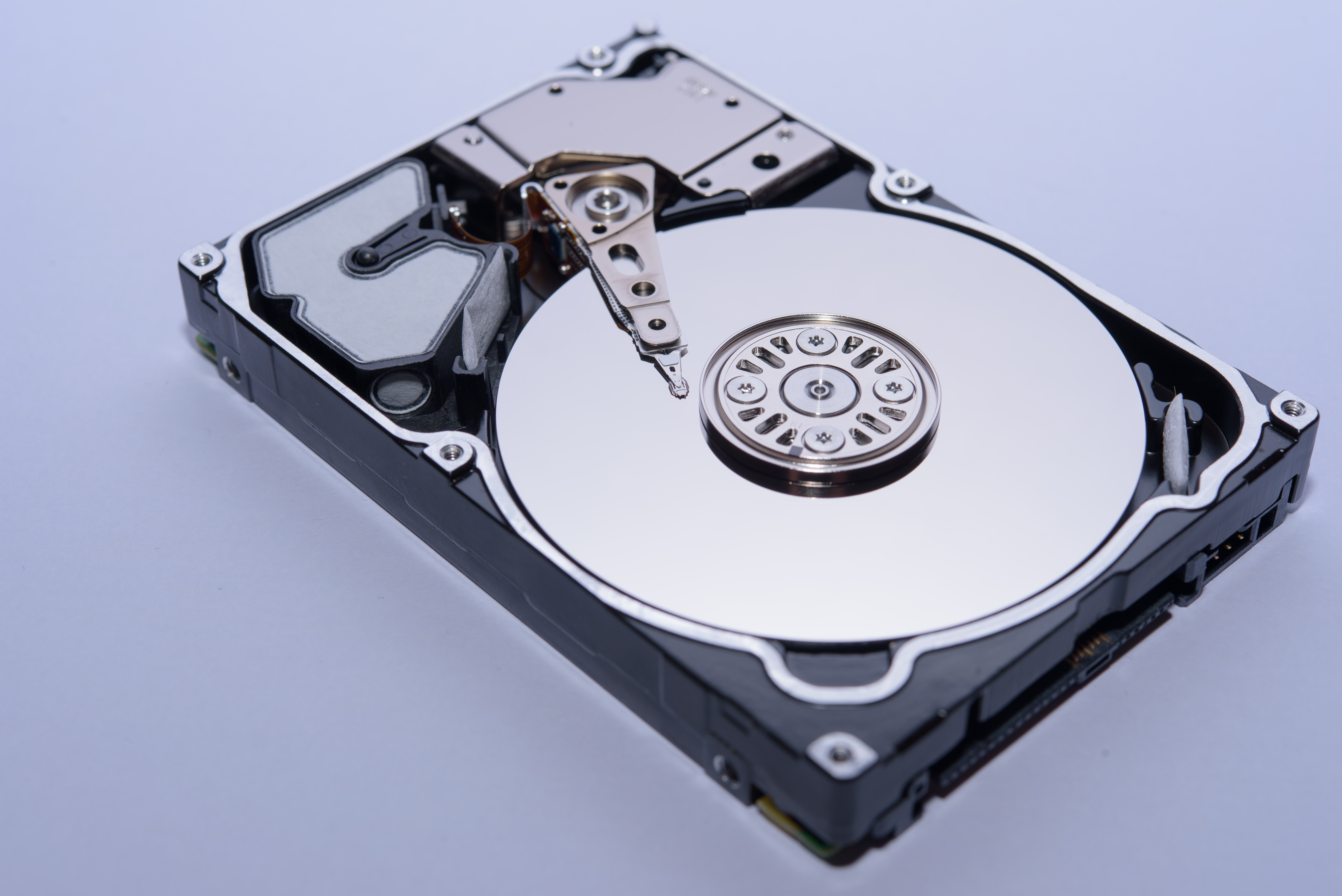
SAS: A Foundational Hardware for Storage Connectivity
Serial Attached SCSI (SAS) is a high-performance, serial communication interface used to connect storage devices such as hard disk drives (HDDs), solid-state drives (SSDs), and Linear Tape Open (LTO) drives to host systems, using the SCSI (Small Computer System Interface) protocol. SAS is a serial point-to-point SCSI interface that provides scalability, reliability, and data transfer efficiency. It is widely deployed in enterprise and data center environments where consistent performance, high availability, and data integrity are essential.
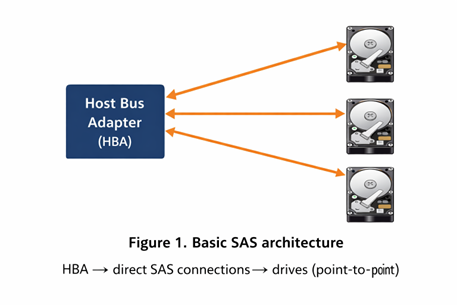
Overview of SAS Architecture
SAS is designed for enterprise-class storage. By providing features that support high availability and scalability, SAS is a perfect fit for enterprise application. Each SAS device can support dual-port connectivity, enabling redundant data paths between the host and storage devices. This redundancy allows systems to continue operating even if one path fails. SAS also supports expanders, which act as switches to connect large numbers of devices to a single host, enabling highly scalable storage topologies.
The SAS standard supports increased data transfer speeds and optimized features, allowing the interface to keep pace with evolving storage performance requirements. Enterprise-optimized features beyond speed include dual-porting for high availability, full duplex communication, advanced error handling, deep queue management, scalable connectivity through expanders, and robust management capabilities. Other standards-based features include enhanced HDD management capabilities such as failed element depopulation, multi-actuator HDD support, expanded zoning, and improved host queue controls.
SAS/SATA Interoperability
Another key capability of SAS is interoperability with SATA (Serial Advanced Technology Attachment) devices. A SAS controller can communicate with both SAS and SATA drives, enabling flexible system designs that combine high-performance drives with lower-cost, high-capacity options.
Scaling SAS for enterprise deployment
SAS is commonly used in enterprise storage arrays and server environments supporting mission-critical workloads. For example, in a financial services environment, SAS-connected storage systems provide continuous access to transactional data through redundant paths and robust error-handling mechanisms. If one connection path or component fails, the system can automatically reroute data through an alternate path, minimizing downtime through failover. SAS supports advanced features such as zoning and device management, which help administrators control access and optimize performance in large-scale deployments.
SAS: Critical storage technology based on formal standards
SAS is a critical technology in enterprise storage infrastructure. Its combination of performance, scalability, and reliability makes it well suited for environments that demand continuous data access and operational resilience. As data volumes grow and storage architectures evolve, SAS provides a flexible and dependable foundation for connecting storage systems.
SAS is standardized in the International Committee for Information Technology Standards (INCITS) SCSI (T10) Technical Committee. INCITS is an accredited standards committee of the American National Standards Institute (ANSI). The SAS standard has also been adopted as international standard by ISO/IEC.
Learn More:
Learn more here about the SAS Roadmap, SAS interoperability events. Watch educational videos on the SAS Playlist the SNIAVideo YouTube channel. Educational materials may be found on the SNIA STA Community page.